
By the author of How to Prep When You’re Broke
This is a subject I never imagined I’d become a pro at, but I’ve become an expert…
In going to the hospital.
(Yuck. 🙁 )
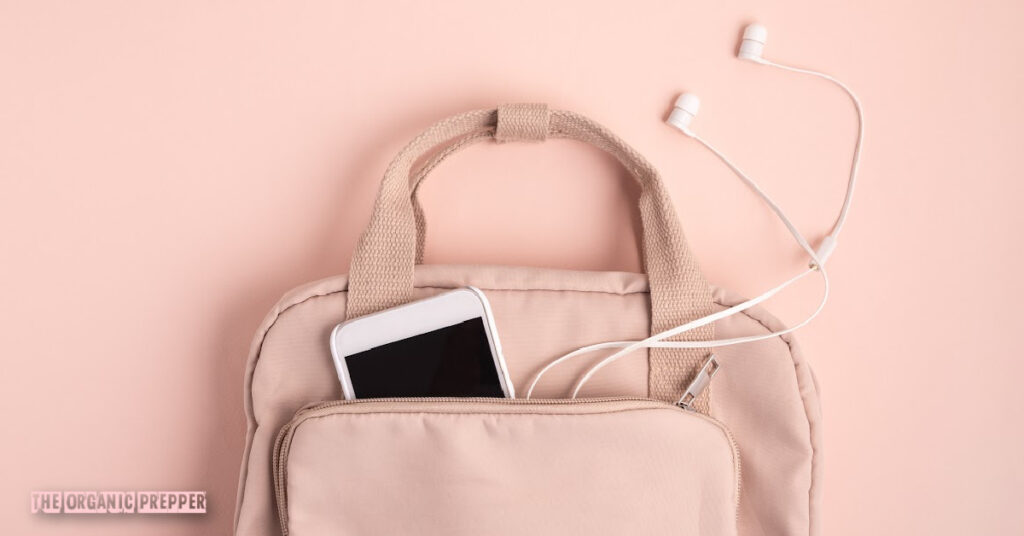
The last time I was there was in quick succession after the time before that, and it inspired me to put together a grab-and-go backpack for those many trips to the ER that my condition seems to necessitate.
The purpose of the bag is to get me through 24 hours in comfort, without the need for my family members to race around looking for my things back at home.
One reader suggested my bugout bag, but this is quite different. I don’t expect to need things like water filtration devices, rainproof matches, or a sturdy survival knife when admitted. I won’t be preparing my own food over a quick fire in my room. (Not to mention, most hospitals send people through a metal detector upon entry.)
Subscribe to our newsletter
Trying to figure out how to stock up while prices keep climbing? We can help with our free guide and newsletter!
Here are the things I keep in my hospital go bag, separated by category. None of this is medical advice, and some of it is definitely against hospital regulations. This is just what I do, not what I’m telling others to do.
Hydration
There’s plenty of water at the hospital, but I really prefer to drink it from my own water bottle that keeps it cold rather than the hospital’s paper cup and straw. I also like to keep some little electrolyte packets on hand – why not work hand in hand with the IV that is hydrating me?
I also keep one full sealed water bottle in my bag just in case it takes a while to get drinks.
If you ask, they probably won’t let you have a drink in the ER. I just don’t ask, which I’m not advising – this is just the way I do it after way too many visits to the ER in the past six months. I walk in with a water bottle in my hand and keep sipping.
If you’re throwing up or have some kind of intense pain that may end up being surgical, you should not drink anything until you’re diagnosed. That’s really important.
Skin
The air in the hospital is so dry. I always end up with terribly chapped lips and skin that aches for moisture by the second day.
- Lip balm
- Moisturizer (I get high-quality moisturizers from TJ Maxx to stash away – I’m not picky about the brand)
- Lotion (I don’t bother with a trial size – my daughter and I both slather it on after using the harsh hospital hand soaps)
- Foot care (I swear by this product)
- Vaseline (for dry places not succumbing to my other lotions and potions)
I feel absolutely miserable without these products on hand. If I’m already feeling awful, why feel worse when it’s super easy to bring this stuff with me?)
Hygiene
I like to have familiar hygiene products on hand – it just makes things more pleasant to have your own stuff.
- Toothbrush
- Toothpaste
- Deodorant
- Body wash (travel size)
- Shampoo/conditioner
- Hair product (I use one with rose oil that smells good and keeps the frizzies away)
- Makeup wipes
- Body wipes (For the first couple of days when I’m too sick to stand in the shower, I like the no-rinse kind)
- Other body wipes
- Shower cap
Passing the time
Once I start feeling well enough that I’m not just sleeping constantly, I’m usually desperate for something to do. I also keep some simple entertainment items in the bag
- Fiction book from my TBR stack (to-be-read) by a favorite author.
- Crossword puzzle book with a pen clipped to it
- Word search book with a highlighter clipped to it
- Ziplock bag of markers and a coloring book
Personal medical contraband
This one is controversial, but I’m of the “don’t ask, don’t tell” medication philosophy.
- I always have two days of prescription medications. The hospital usually provides them, but if it takes a while to get admitted and it’s important not to miss a dose, I’m glad I have it.
- Tylenol (If they have to get the admitting doctor to add it to your chart, the wait for pain relief could be a long time. I’m always really careful that I’m not taking anything that will interfere with medications the hospital has given me.)
- Antacids (I hate how they dole out one Tums and make you wait hours for a second one – have they ever actually HAD heartburn? One Tums?)
- Arnica gel (for those nasty needle bruises)
- Cough lozenges (that dry air again)
- Inhaler
Other things
- Extra phone cords (one for me and one for my daughter)
- Extension cord with USB ports (there’s never one close enough to the bed for me to use my device while it’s charging and trying to sprint for a ringing phone while attached to an IV pole is an Olympian event I didn’t sign up for.)
- Snacks (My diet is super-limited from gastroparesis, so I keep tummy-friendly snacks in case the hospital food disagrees with me)
- Extra reading glasses
- Jammies (I keep something super soft, loose, and comfy in my bag)
- Small rechargeable fan (I always feel like I’m having a heatstroke at the hospital – this one doesn’t take up much space and charges with a USB cord – if you are a person who runs cold, add a sweater instead)
- Headband and scrunchies (Hospital hair isn’t pretty, but these can help. My long-haired gals can testify to the importance of a hair elastic of some type.)
How I pack it
I use different sizes of bags for each of the little “kits” above. Cosmetic bags or even large ziplocks will work to keep your items organized and easy to find. The exception is my books and the fan, which I slide into a pocket that was meant for a laptop.
I don’t need a huge backpack for this, but hospital stays are so much easier now that we can just grab one thing and go. When it looks like the stay will be longer than 24 hours, my daughter goes home to collect clean clothes, my laptop (with charger), and a squishy lapdesk.
Oh – and don’t forget a pillow from home with a nice, soft pillowcase – it feels like a luxury when compared to those flat little hospital pillows.
What about you?
After four stays in six months, I feel like a pro. Do you have a hospital go-bag for any member of the family? What do you keep in it?
Let’s discuss it in the comments section.













7 Responses
My hubby has had a few ER visits so I have a similar bag packed for us. I added a clean pair of underwear for each of us as well. Also a clean t-shirt. I found these individual wrapped body wipes that are awesome and put a few in my bag. I definitely hear you on the lotion and Chapstick. I need to add a small hygiene kit. Good article for us frequent flyers…as the patient or family member at bedside.
YES! I always try to encourage my sister, who has FREQUENT hospital trips, to keep a hospital go bag. She never does…
She has an insulin pump, which keeps her glucose even. At the hospital, they dose you with periodic injections and will not refill her pump. I often have to get her another monitor patch, the thing to attach it, a pump refill, and a bottle of insulin! If she has it on, they don’t take it away. Now, mind you, she has has some issues with the pump that her insurance provides, so it isn’t always possible, but having a set on hand is a great help. Then there is a set of clean clothes for going home, the charger WITH extension cord, because those plugs are never convenient to the bedside table. YES to books, YES to Tylenol, lip balm, hairbrush, toothbrush and toothpaste, snacks. Love the water bottle idea, because I hate drinking out of those toxic Styrofoam cups. Also, feminine products and incontinence products, because what they have at the hospital sucks!
My Mom, who is 91, has been in and out of the hospital and into rehab 4 times since October. I can’t seem to get sister (who lives with mom) to keep a hospital bag packed for her either. I pack it, she unpacks it. She is about to enter permanent nursing home care 🙁 , and we have a supply of clothing that is already tagged with her name. If you go in to any rehab situation, pre-tagging your clothing, including undies and socks, is extremely important. Some of the laundry staff just do NOT care about getting your stuff back to you. Make sure that you have your name on everything you bring, and be sure that you fill out the inventory list of what you bring. You don’t want stuff disappearing.
My husband broke his hip before Christmas and spent 3 weeks away from home. Things turned out okay but it took me several days to collect the things he slowly realized he wanted. He ended up wanting pretty much what is on your list!
This article has great advice! I’d like to have had it just to collect things neither of us thought of at first, even it it was after the fact!
I’m repacking my hospital or night in the city bad. Most items I’ll need are interchangeable. I have a recharge cord with multiple ends including a flat disk for my watch to recharge. Slippers that I choose over no skid socks. Extra reading glasses. Notebooks pens a book. A snack. And enough stuff for my friend who always goes where ever I go.
May 19th I’ll be having a heart ablation procedure and need to stay in town overnight. So nominal clothing for overnight, tooth brushes, etc. Friend is going as the required driver.
May you never need your hospital go bag again.
Add a bonnet for hair, like the women with CURLY/natural hair do. Saves hair when too sick to even notice, and people will keep putting it on to protect hair.
Bring clothes you are prepared to loose if possible. Underwear, be prepared to throw away.
Hospitals prefer you wear their grippy socks anyways.
You might get wet wipes if you ask.
Just home from five day hospital stay with my daughter. Take good look at all sides of that hospital recliner. The lever on the side to engage the foot rest was a no-brainer. I didn’t realize there was a second lever on the back that released the back rest to a flat position.