
By the author of Be Ready for Anything
Let’s be honest.
When you think about a stockpile, the first thing that comes to mind is food, right?
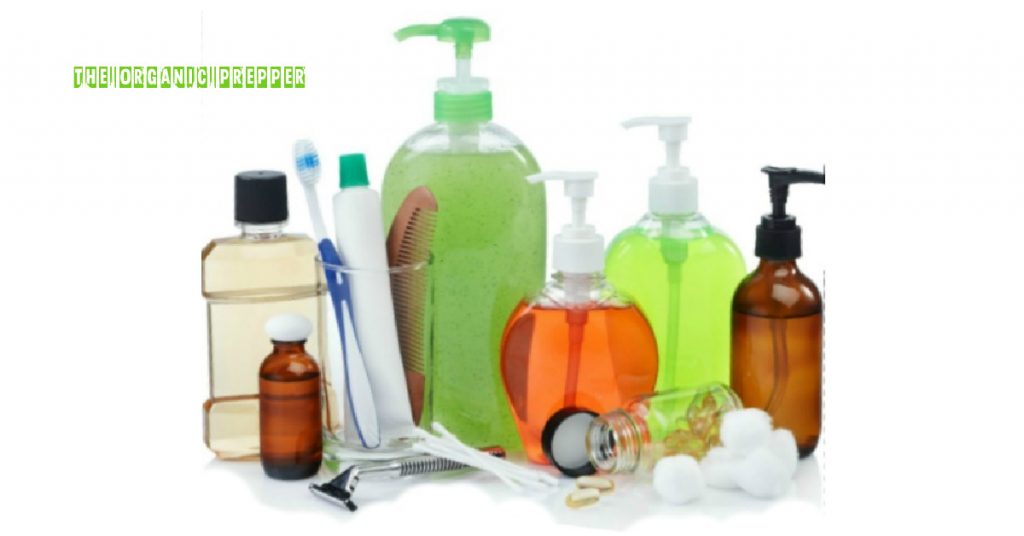
Preppers are well-known for having a stash of long-term food to sustain them through anything from a winter storm that leaves them stranded for a week to the end of the world, but there’s a lot more to a good stockpile than edible items. Think about the things you use on a regular basis that you purchase from the store. Personal hygiene items, school supplies, cleaning supplies – the list goes on and on of consumable goods that you use without really thinking about it.
Ever since my kids were little, I’ve always kept a stockpile of these types of goods. And there have been occasions in my life that I was very grateful to have them on hand. When I was unemployed for a few months, I didn’t have to run to the store to get day-to-day items, nor did I have to do without. I was able to simply go shopping in the pantry and meet my family’s needs. Because of this, we survived a stressful situation without the added stress of not having the things we needed to live comfortably.
How to get a good deal on non-food stockpile items
Shopping for non-food stockpile items is much like shopping for your grocery stockpile. It’s essential that you get the best deal you can. If the deal is really epic, sometimes I stock up on brands that we don’t really use so that I have some items on hand for a friend who may have fallen on hard times. A gift of health-and-beauty supplies would be very welcome to someone who has lost a job or otherwise fallen on hard times.
- Watch the flyers. Sometimes these types of items are loss-leaders, which means the store will be selling them at a loss in the hope that you’ll buy some of their more overpriced merchandise.
- Buy in bulk. Sometimes you can get a good deal by purchasing items in quantity. Places like Costco, Amazon, and Winco often sell non-food supplies in packs of 3, 6, or 24. Be sure to do the math and confirm that you’re really saving money, though. Sometimes they can be tricky.
- Hit the dollar store or clearance store. I get lots of great stuff at our local Grocery Outlet, part of a chain. They sell lots more than groceries and often have organic brands of health and beauty aids for a fraction of the price that the boutique stores charge. The dollar store can also be a good source for certain items. Take care not to get something of terrible quality that won’t really work, though.
- Clip coupons. If you’re a coupon-er, good deals can often be found on high quality, name brand items.
- Estate sales. I’ve found some of these things at estate sales for a dime.
- Facebook Marketplace. I’ve gotten some of these things in bulk on Marketplace, but be careful with this. It’s usually a couponer’s stash, but sometimes the products ‘fell off the back of a truck.’
Add these items to your non-food stockpile
Your expanded stockpile will save you time, money, and stress. When you have a well-provisioned home, you can meet most situations with aplomb. Scenarios that would have other people scrambling to provide the basic necessities for their family will hardly register as a blip on your radar.
Subscribe to our newsletter
Trying to figure out how to stock up while prices keep climbing? We can help with our free guide and newsletter!
You can click the links to find reasonably priced options for some items.
- Soap (Unwrap it for storage to make it last longer)
- Laundry products (or the ingredients to make your own)
- Shampoo and Conditioner
- Disposable razors
- Band-Aids
- First Aid supplies
- Calamine lotion
- Dish soap
- Feminine hygiene items
- Toilet paper
- Paper towels
- Baby wipes (even if you don’t have a baby!)
- Shower gel
- Cosmetics if you use them
- Coconut oil (This is SO multipurpose!)
- Peroxide (The dollar store and Wal-Mart usually have the best prices for this.)
- Rubbing alcohol (The dollar store and Wal-Mart usually have the best prices for this, too.)
- Hand sanitizer
- Bleach
- White vinegar
- Cleaning supplies
- Garbage bags
- Kitty litter (for emergency sanitation)
- Pet food
- Flea and tick medication for pets
- Nail clippers/files
- Lotion and moisturizer
- Sunscreen
- Extra filters and parts for your water filtration device
- Spare parts for important equipment like canners or tools
- Matches
- Lighters
- Long-burning candles
- Batteries (AA, AAA, and D are the most commonly used)
- Stationary/school/office supplies
- Lip balm
- Toothbrushes and toothpaste
- Sewing/mending supplies
- Hair elastics (ask any female with long hair how necessary these are! In a pinch, I’ve been known to use a zip-tie to keep my hair back)
- Over-the-counter remedies for common ailments like heartburn, nausea, congestion, coughing, and pain relief
- Insect repellant
- Deodorant (We usually use an expensive natural brand, but I still keep this on hand.)
- Duct tape
- Paper plates and disposable cutlery (in the event of a water shortage)
- Tin foil (good for more than hats)
- Ziplock bags in a variety of sizes
- Cotton balls and cotton swabs
- Hardware like nails and screws for emergency repairs
- Vitamins
- Ammo…duh!!!
What non-food items do you store?
Do you also have a stockpile of non-food items? What do you keep on hand? Share in the comments section.







7 Responses
You recommend hardware items for inclusion. I suggest including tools in this list – hammer, screwdrivers, wrenches, pliers, etc.
As with all emergency storage items: food and non-food – ROTATION is the key!
Medications (human and pet), vitamins, sunscreen, cosmetics, antiseptic, over the counter medications (natural and mainstream) all have to be rotated. Past their “use by” dates, they loose their effectiveness and a few get downright dangerous when stored too long. Same with some cleaning products.
Peroxide and Bleach get unstable and breakdown into off-gasses, some are combustible.
Instead of the plastic Ziplock bags for food, I use the reusable ZipTop brand. I keep the regular plastic Ziplock for safety pins, bobby pins, nuts-bolts, and other non-food items.
No kitty litter? Substitute peat moss and lime. If you’re a gardener you already have these things on hand. Lay down a layer of peat moss , do your business and cover with a sprinkle of lime and more peat moss. After that it’s completely compostable. If that makes you uneasy, use it on ornamentals. I learned that trick from Wendell Berry about 50 years ago.
Regarding the OTC meds — don’t forget pain salve for aching muscles and drawing salve for infected wounds. Also, consider vet meds. This may sound a bit crazy but I grew up in a veterinary clinic, my dad was a veterinarian and I worked for him for over 20 years. So I know that the companies producing veterinary medicines are subject to the same rigorous standards as the companies producing human meds. These medications are available locally from places like Tractor Supply, pet stores selling aquarium supplies (ex. Fish Mox) and via mail order. I have had excellent luck obtaining prescription medicines directly from India. These are manufactured by familiar names and sold at steep mark-ups here in the USA.
Study essential oils and herbs if you haven’t already. These are great to have around for cheap and easy helps in times of stress. A cup of chamomile tea will calm frazzled nerves and a bit of Tea Tree oil can stop nail fungus.
It wouldn’t hurt to have extra batteries for your power tools. And remember to always keep everything charged up.
Duct tape, super glue, flex steel tape & spray
A manual can opener.
One multipurpose substance I’ve used a lot over the decades is baking soda, which fits within list items 21, 40, 42, and possibly others.
Good list. Got it plus but it’s a good reminder.