
By the author of Prepper’s Pantry
Most people who work hard to eat well consume a lot of fresh fruits and vegetables. As well, many people these days generally eat a low-carb diet that is reliant on protein and produce. One of the biggest issues those same people notice in their prepper is getting those same fruits and vegetables from a pantry.
A shortage of fruits and veggies in your diet is dangerous because, without produce, your family can be at risk for nutritional deficiency diseases like scurvy, and their immune systems will be compromised. A minimum of 5 servings per day is recommended, but during the long winter, how can you meet that goal with shelf-stable foods?
Supplying your family with produce that will provide the necessary nutrients that their bodies need to thrive is a twofold process. Not only should you preserve the summer’s bounty for the winter ahead, but you should also come up with ways to add fresh greens outside of the growing season.
These suggestions are plucked from my book, Prepper’s Pantry.
Building a Stockpile of Fruits and Vegetables
When creating your produce stockpile, you have to look at what actually constitutes a “serving” for the people you will be feeding. It may not actually be the amount that you expect. For example, a child’s serving of green beans is anywhere from a quarter cup to a half a cup (depending on their age), but an adult’s serving is a full cup. So for a child, plan on 1-3 cups of produce per day and for an adult, plan on 5 cups of produce per day.
What to Buy
At the grocery store, look for sales to build your supply of produce:
Dried: Dried fruits such as raisins, banana chips (without sugar), and dried cranberries can pack a lot of nutritional punch into a tiny serving size. Think of them as concentrated vitamins. An adult serving of raisins is only 1/4 cup, which means that you can pack a lot of nutrition into a small amount of space with dried fruits.
Canned: Canned goods such as tomatoes, green beans, and peas can go a long way towards providing nutrition. The benefit to those rows of tin cans is that you don’t require power to store them safely, and they are fully cooked so you don’t even have to heat them up in a grid down situation. You can also find many varieties of canned fruit but beware of heavy syrups. Opt for fruit canned in juice if possible.
Frozen: Frozen fruits and vegetables are the closest to fresh that you can get. This is a great way to build a stockpile for times when money is tight, but don’t put all of your produce in the freezer. During an extended power outage, you stand to lose a large portion of your deep freeze contents. If you do purchase a large amount of produce for the freezer, have canning jars, lids, and an off-grid method for canning them if the electricity goes down for the long-term.
Freeze-dried: This is a more expensive option, but freeze dried fruits and vegetables maintain nutrients, require little storage space, and need no special storage conditions. You can add a great deal of variety to your pantry with a selection of freeze-dried ingredients, and the foods, if sealed correctly, can last up to 25 years. You can find a wide variety of freeze-dried fruits and vegetables HERE.
Powders: My daughter and her friends use drink powders that contain a hefty helping of produce. This isn’t the cheapest way to add produce, but it’s a very small-space-friendly way to do it. My youngest uses Bloom Nutrition powders, and it really tastes great.
Preserving Fruits and Vegetables
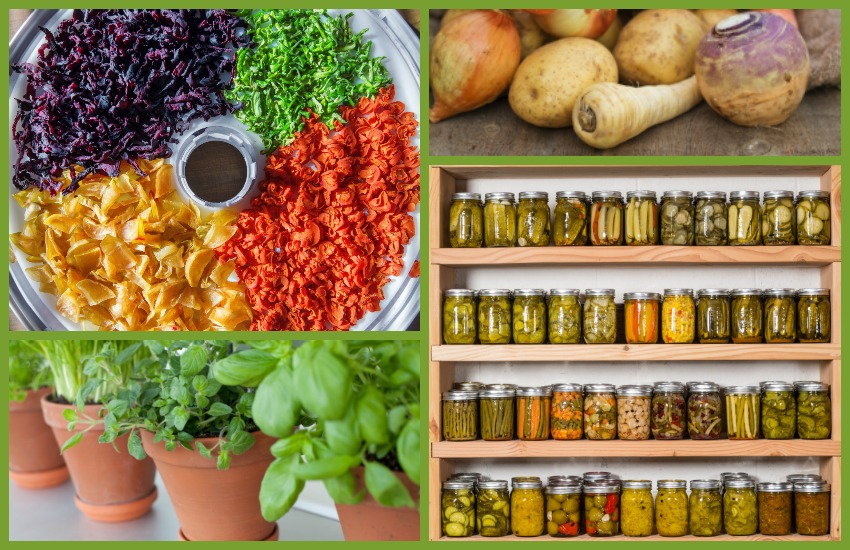
There are many effective ways to preserve fruits and vegetables that you acquire fresh. Whether you harvest them from your own property, buy them at the farmer’s market or a local orchard, or even make a bulk purchase from the discount bin at the grocery store, having the supplies and skills to quickly preserve them can allow you to make the most of your windfall. Learn more about the following methods.
- Dehydrating
- Canning
- Root Cellaring – Keep onions, potatoes, parsnips, carrots, apples, and winter squash in a cold room.
- Freeze-Drying – home freeze dryers are becoming very popular – go here for some expert advice
- Pickling and Fermentation (thanks for the reminder, RayK!)
Indoor Gardening
There are all sorts of things you can grow indoors, even in the dead of winter. It helps to have a south-facing window and barring that, a grow light. I have had wonderful luck with spinach, lettuce, herbs, garlic, green onions, and even some teeny little radishes. I know others who have been successful with tomatoes and peppers but I have personally never managed those inside. (Maybe one day I’ll get my dream sunroom!) Some folks keep dwarf citrus trees in their homes, also.
And don’t overlook the value of sprouting. Sprouts grow incredibly quickly. They’re easy to grow and highly nutritious. You can learn absolutely everything you ever wanted to know about sprouting at this website. I like bean sprouts and microgreens the best. Each type of sprout has a very different texture and flavor.
Any tips?
Many in our community are just beginning to build their pantries. Do you have any budget-friendly tips for adding fruits and vegetables to the larder? Please share them in the comments below…
Want to learn more? Check out my book!
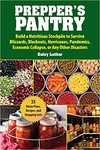 Lots of us like to have hard copies of the information that we’ve found helpful. Because of this, I’ve written up everything I know about building a stockpile on a budget and put it all in one handy primer, available on Amazon.
Check out Prepper’s Pantry: Build a Nutritious Stockpile to Survive Blizzards, Blackouts, Hurricanes, Pandemics, Economic Collapse, or Any Other Disasters
About Daisy











6 Responses
You left out pickling as a means of preserving. Think of kraut, pickles and pickled veggies (corn, green beans, maybe carrots).
I’ve had dehydrated fruits in trail mix, and found that I generally don’t like them. However, freeze dried fresh pineapple is to die for. Not fond of FD bananas; they come out with a dusty texture. Peaches are on the list of things to try this summer.
I did leave that out! Let me rectify it, thank you!
I pickle a wide variety of things but our favorits are vegetables with hot peppers or sweet pickled beets.
I’ve lived my life with fresh food in harvest times and canned, frozen, or dried for the rest of the year. My parents were farm raised and that’s how they and their parents, grandparents etc have lived. It still works for me except Mom depended on the freezer for a lot of our produce where I can it or dry it far more often. The a good portion of my dried produce is powdered. Greens, herbs, citrus peels, apple peels, and some seeds either store powdered or are powdered to use. It makes easy storage and fast reconstituting when I’m ready to use something. I can meats and thick stews and soups. No cream soups, but it’s easy to add cream and thicken what I need. Tomato skins are dried and powdered to add as seasonings. I’ve even dried and powdered Greek yougart for ease of storage. Vacuum seal jars or Mylar bags with oxygen absorbers are easy to use. Freezing is my prep work for canning or to save time in freeze drying things. My dehydrator was well used as is our freeze dryer. Sometime for small bits I’ll put food on a baking sheet in the oven set at 100 degrees for bread proofing. Sometimes I’m proofing breads and a pan on the second shelf will hold citrus peels that have nearly finished drying just setting in a bowl. Humidity numbers that can stay below 20% are very conducive to drying. I dry all kinds of fruits except extreamly seedy berries. But I also can lots of fruits and vegetables.
Recently frozen mixed vegetables were available because a retailers freezer went out. I gladly took a lot and made soups and freeze dried a lot as well. Spinach powder is good rehydrated with a bit of boiling salted water. It’s also great in smoothies and makes a great soup with chicken stock, added cream, and crumbled bacon on top.
I like cool foods in hot weather so water based ice with fruits and or veggies are good with just a half of a sandwhich. Or I’ll make a big sub sandwhich without mayo or mustard. It will make us each two meals with some kind of salad or a blended fruit or vegetable drink. Gaspachio based on plentiful tomatoes with a homemade bread to dip in herbed oil is another easy too hot day favorite. Winter into spring I use up the dry and canned goods. Real cold weather we enjoy a good hot chili with beans and some red meat in it. Maybe a sprinkle of grated aged geese. I use farmers cheeses with herbs and garlic to taste on bread or crackers with a rich stew or something roasted in winter with fruit and toast in summer. We still enjoy some carbs but not with every meals.
Until the last three years I’ve always had a homemade sun powered dehydrator. It also was where I reduced tomatoes down to a thick sauce or paste. Just stir now and then.
I use every kind of citrus powdered peel in baking mixes to add flavor and textures. Our pancakes a few days ago had orange peel powder with fresh blueberries added. Mine had a few chopped pecans also.
Hi, Clergylady. I seem to recall your mentioning that you would soon undergo a heart ablation. If that’s accurate and it took place, I’d guess that many readers of this site would be interested in how it went.
This year I have an awesome crop of Swiss chard that I have been drying in my dehydrator and then food processing it into powder. Great for adding vitamins to my breakfast smoothies or soups and stews.